In this article
Water heating is the second-largest share of household energy use in Australia, between 15% and 30% according to the Australian Government's energy information service. The system you choose sets a large part of your running cost for years. For most Queensland homes the real choice is between a heat pump and solar hot water, with gas as the familiar alternative.
This guide compares them on how they use energy, which is cheaper to run, the certificates and rebates that apply, and what suits a Gold Coast home. The subtropical climate matters: advice written for Victoria, Tasmania or the UK is shaped by cold nights and weak winter sun, and it can steer a Queensland home the wrong way. Whether you already have panels, or are adding solar panels to your roof, also changes the answer.
How heat pumps and solar hot water use energy
Every hot water system turns some form of energy into heat in a tank. What differs is how much of that energy you buy.
Conventional electric storage: the baseline
A standard electric storage system runs an element in the tank, like a kettle. Each unit of electricity becomes roughly one unit of heat, and all of it is bought, unless it runs on your own solar generation. Energy.gov.au notes these are the cheapest systems to buy and install, and generally more expensive to run.
Heat pump: moves heat instead of making it
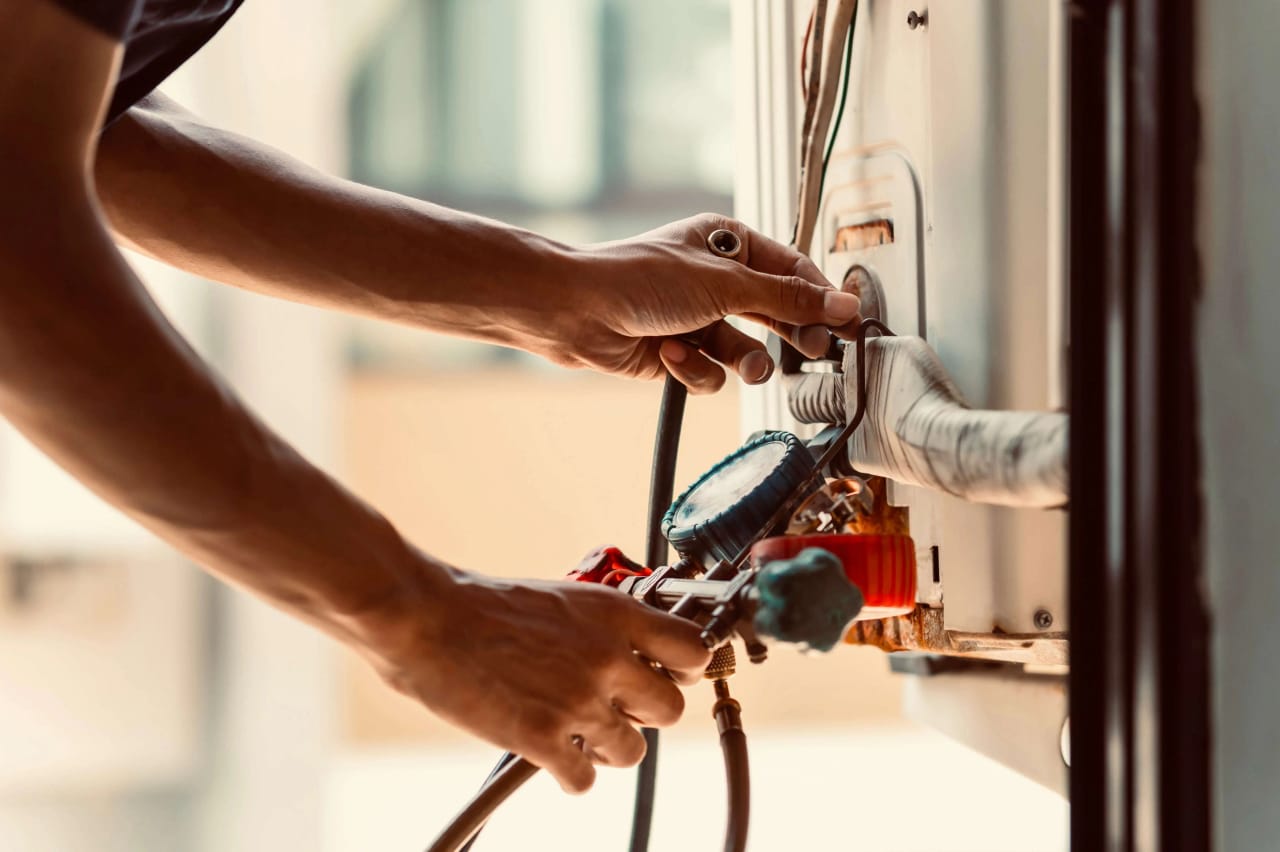
A heat pump water heater works like an air conditioner in reverse. It uses a refrigeration cycle to pull warmth out of the surrounding air and push it into the water. The electricity drives the compressor and fan; most of the heat comes from the air. That is why energy.gov.au says heat pumps "use 30% of the energy of a conventional electric hot water system".
Two practical points follow. The compressor makes some noise, like an air-conditioning unit, so where it sits matters. And because it runs on electricity, you can time it for the middle of the day, when your own panels are generating.
Solar hot water: heat straight from the sun
Solar hot water uses roof collectors, either flat panels or evacuated tubes, to heat water directly with the sun's energy. The tank sits on the roof with the collectors or at ground level. When the sun has not supplied enough heat, an electric or gas booster makes up the difference, so the energy you buy is whatever the booster uses.
Gas: burns fuel for every litre
Gas systems burn natural gas or LPG, either in a storage tank or on demand (continuous flow, the most common type). Every litre of hot water is heated by gas you buy. Energy.gov.au describes gas storage systems as "particularly inefficient", because a tank heated by a flame loses heat where it cannot be insulated.
Heat pump vs solar hot water vs gas at a glance
| Factor | Heat pump | Solar hot water | Gas |
|---|---|---|---|
| Where the heat comes from | The surrounding air, moved by electricity | The sun, with a booster | Burning gas |
| Bought energy | Low: about 30% of a conventional electric system | Low: only when the booster runs | All of it |
| Can run on your own solar | Yes, if timed for daytime | Heats from the sun directly | No |
| Roof requirements | None | Suitable roof space and orientation | None |
| Weather dependence | Runs year-round | Booster works harder in poor weather | Unaffected |
| Connection needed | Power circuit | Power (or gas) for the booster | Gas connection |
| STCs may apply | Yes | Yes | Not listed by energy.gov.au |
Which is cheaper to run?
A heat pump or solar hot water, and which of the two depends on your roof. Both buy far less energy than a conventional electric or gas system, because most of their heat is free: from the air for a heat pump, from the sun for solar.
- If you have solar panels, a heat pump timed for the middle of the day heats the tank largely on your own generation, so it draws little from the grid. It also soaks up surplus that would otherwise be exported, which is where much of the benefit of solar power comes from.
- If you have a sunny roof and no panels, solar hot water buys energy only when the booster runs, which in Gold Coast conditions is less often than in a cooler state.
- Gas buys energy for every litre it heats, so on energy use it sits behind both.
We don't quote running costs in dollars here, because they depend on your tariff, your household's hot water use and your solar. The energy-use ranking above holds either way. If you're sizing an array partly to run hot water, see what size solar system you need.
Rebates and STCs for heat pump and solar hot water in Queensland
The main federal support is the small-scale technology certificate. According to energy.gov.au:
- "Solar and heat pump hot water systems could be eligible for renewable power incentives in the form of small-scale technology certificates (STCs)."
- "An STC is a measure of renewable energy which can be traded for cash or a discount on the purchase price of the system."
- For both system types, "Small-scale technology certificates (STCs) and other rebates may apply to reduce costs."
The page names solar and heat pump systems, not gas. How many certificates a system creates, and what they are worth, depends on the model and where it is installed, so we don't quote a figure. State and local rebates change often. Check the energy.gov.au rebates finder for what currently applies in Queensland, and ask your installer to show the STC discount on the quote. The Clean Energy Regulator runs the certificate scheme.
Quotes from energy.gov.au's "Hot water systems" page (linked above). Last verified 30 September 2026.
Upfront cost and installation
Energy.gov.au notes that heat pumps and solar hot water systems are more expensive to purchase and install than conventional electric systems; STCs reduce that gap. Beyond price, each has its own practical needs:
- Solar hot water needs suitable roof space and orientation, and a roof-mounted tank adds weight.
- A heat pump needs a spot outside with airflow, away from bedroom windows because of compressor noise.
- Gas needs an existing or new gas connection, and is usually installed outdoors because of venting.
Which suits the Gold Coast?
For most Gold Coast homes, a heat pump is the easiest fit. The mild climate suits it year-round, it needs no roof collectors, and it can run on your own solar during the day. Solar hot water also suits the region's sunshine if you have the roof for it, and it relies less on its booster here than in a cooler state. Gas remains an option where a connection already exists, but on energy use it trails both.
A heat pump running in the middle of the day stores surplus solar as hot water, which is worth weighing before deciding whether a solar battery is worth it. And if you are working through the household's energy use more broadly, hot water is usually the bigger lever, with efficient lighting the smaller one.
How to choose the right system
The right choice depends on whether you have solar, your roof, your existing connections and your budget. A heat pump or an electric-boosted solar system is a sizeable electrical load, so a licensed electrician should confirm your switchboard and circuits can take it. That matters if your board already shows the signs it needs upgrading. If you are pairing hot water with new panels, what drives solar system cost in Queensland is worth reading alongside this. Ryder Electrical Services can advise on the electrical side as part of a free, no-obligation quote.
Get in Touch
Upgrading your hot water system? Ryder Electrical Services can help you choose and install an efficient system that works with your solar, across the Gold Coast up to Brisbane's north side. Call us on (07) 5241 1122 or get in touch for a free quote.
Frequently Asked Questions
Is a heat pump or solar hot water cheaper to run?
Both use far less bought energy than a conventional electric or gas system. A heat pump uses electricity to move heat from the air into the tank rather than making the heat itself, and the Australian Government puts its use at about 30% of the energy of a conventional electric system. Solar hot water takes its heat from the sun and only buys energy when the booster runs. With rooftop solar panels, a heat pump timed to run in the middle of the day draws little from the grid; with a sunny roof and no panels, solar hot water is hard to beat.
How does solar hot water work?
Collectors on the roof, either flat panels or evacuated tubes, absorb heat from the sun and pass it to the water, or to a fluid that then heats the water. The heated water is stored in an insulated tank, either mounted on the roof with the collectors or at ground level with the water circulated by a pump. An electric or gas booster tops up the temperature when the sun has not supplied enough.
Are there rebates for heat pump or solar hot water in Queensland?
Solar and heat pump hot water systems may be eligible for small-scale technology certificates (STCs) under the federal scheme, which can be traded for cash or a discount on the purchase price. Other Australian, state and territory rebates come and go, so check the current position on energy.gov.au and ask your installer what applies when you get a quote.
Solar hot water vs gas: which is better?
On energy use, solar hot water. It takes most of its heat from the sun, while a gas system burns fuel for every tank or litre it heats, and gas storage tanks lose heat through the flue. Gas has a lower purchase price, works in any weather and suits homes with an existing connection. For a Gold Coast home looking to use less bought energy, solar hot water or a heat pump is usually the better long-term choice.