In this article
The main difference between a 7kW and a 22kW home EV charger is speed, and whether your home can support it. A 7kW charger runs on standard single-phase power and suits most households, while a 22kW charger charges far faster but requires three-phase power that many homes do not have. This guide compares the two so you can choose the right charger for your car, your home, and your driving habits before booking an EV charger installer.
This guide covers Australian homes and Australian wiring rules. That distinction matters: Australian residential supply is 230V, most houses are single-phase, and installation must comply with AS/NZS 3000 and AS/NZS 3012 (the wiring rules published by Standards Australia) with a dedicated circuit and RCD protection. North American guidance about "Level 2" chargers on 240V split-phase does not translate, and neither do the charger models or the connector standards. Every Australian EV sold new uses a Type 2 socket.
What do the kW ratings mean?
The kilowatt (kW) rating of a charger is how quickly it can deliver energy to your car. A higher rating means more range added per hour of charging:
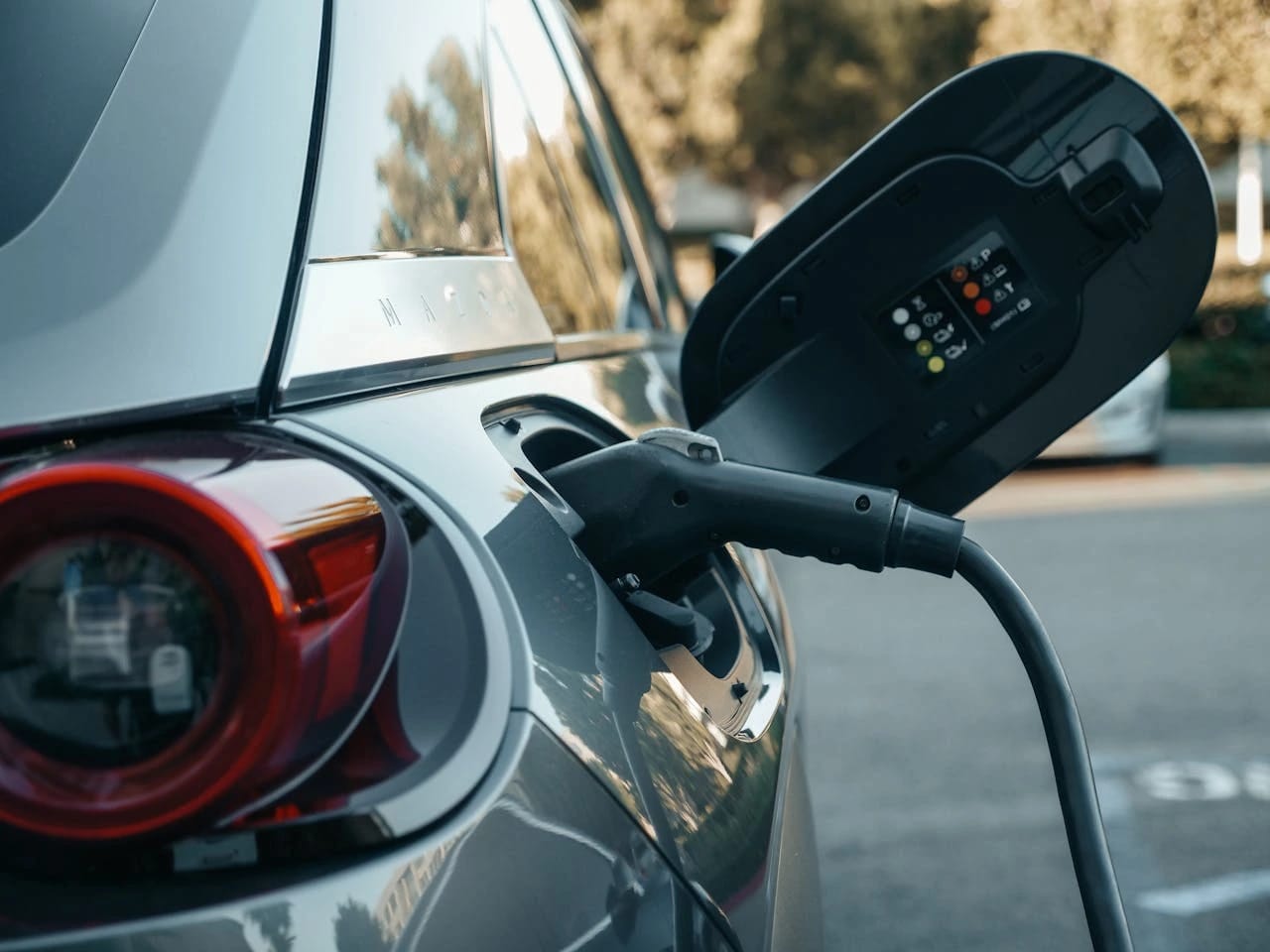
- 7kW charger: Adds roughly 40 kilometres of range per hour, fully charging most EVs overnight.
- 22kW charger: Adds roughly 120 kilometres of range per hour (around three times faster), but only if your car and your home's power supply can both handle it.
Both are a big step up from charging from a normal power point with the car's portable lead, which adds only a few kilometres of range an hour.
The catch: single-phase vs three-phase power
This is the factor that decides the choice for most homes. A 7kW charger runs on single-phase power, which is what the majority of Australian homes have. A 22kW charger needs three-phase power. If your home is single-phase, you would need a three-phase supply upgrade before a 22kW charger could run at full speed, an additional cost and a job for a licensed electrician.
Just as importantly, many electric vehicles have an onboard AC charger limited to 7kW or 11kW. In that case a 22kW wall charger cannot charge the car any faster than its onboard limit allows, so the extra capacity goes unused.
Charging speed in real terms
For most drivers, a 7kW charger is more than enough. The average car sits at home for many hours overnight, and 7kW comfortably restores a full day's driving (and usually a full battery) by morning. A 22kW charger only pulls ahead when you need to top up quickly during the day, drive very high daily distances, or share one charger between multiple EVs.
7kW vs 22kW at a glance
| Factor | 7kW charger | 22kW charger |
|---|---|---|
| Power supply | Single-phase (most homes) | Three-phase (many homes need an upgrade) |
| Charging speed | ~40 km of range per hour | ~120 km per hour, up to 3x faster |
| Range added overnight | Easily restores a full day's driving | Faster, but rarely needed overnight |
| Installation cost | Lower | Higher, plus any supply upgrade |
| Matches most EVs | Yes, most cars cap at 7-11kW AC | Only if the car accepts faster AC charging |
| Best for | The vast majority of households | Three-phase homes, high daily distances, shared chargers |
Which suits your Gold Coast home?
For the vast majority of Gold Coast households on single-phase supply, a 7kW charger is the practical, cost-effective choice. It charges overnight and matches what most EVs can accept. A 22kW charger makes sense if your home already has three-phase power, your vehicle supports faster AC charging, and you regularly need rapid top-ups. If you are unsure which supply you have, that is one of the first things a licensed installer will check. The Australian Government's energy information service is a useful neutral starting point on electric vehicles and charging at home while you weigh the options.
How to choose and install safely
An EV charger is a significant, continuous electrical load, so it must be installed by a licensed electrician on a dedicated circuit, and your switchboard may need attention to support it. If your board shows any of the signs it needs upgrading, that work usually comes first, and it is one of the factors in what an EV charger installation costs. The right choice depends on your vehicle, your power supply, and your driving pattern, and there is more to a good unit than speed, which we cover in our home EV charger buying guide. Ryder Electrical Services assesses all three and installs your charger safely as part of a free, no-obligation quote.
Get in Touch
Ready to charge at home? Ryder Electrical Services supplies and installs home EV chargers across the Gold Coast, and we will confirm whether a 7kW or 22kW unit suits your home and car. Call us on (07) 5241 1122 or get in touch for a free quote.
Frequently Asked Questions
Can I install a 22kW EV charger on a single-phase home?
Not at full speed. A 22kW charger needs three-phase power, so a single-phase home would need a supply upgrade first. Most single-phase homes are better suited to a 7kW charger.
Is a 7kW charger fast enough to charge overnight?
Yes. A 7kW charger adds roughly 40 km of range per hour, which comfortably restores a full day of driving (and usually a full battery) overnight.
Will a 22kW charger charge my car any faster?
Only if your EV accepts fast AC charging. Many EVs cap their onboard AC charger at 7kW or 11kW, so a 22kW unit cannot charge them any faster than that limit allows.