In this article
There is no single "best" home EV charger for everyone. The best one for you is the charger that matches your car's charging capability, your home's power supply, and how you like to charge. Rather than naming one winner, this guide walks through the features that separate a good home charger from an average one, so you can choose with confidence and have it installed safely by a licensed EV charger electrician.
Match the charging speed to your car and supply
The most important factor is getting the speed right. A 7kW charger runs on the single-phase power most homes have and fully charges the typical EV overnight. A 22kW charger charges faster but needs three-phase power, and many EVs cannot accept more than 7kW to 11kW of AC charging anyway. Paying for speed your car or home cannot use is wasted money. If you are still weighing whether you need a wall charger at all, charging an EV at home compares it with the portable lead. The Australian Government's energy information service is a neutral reference on electric vehicles and home charging if the terminology is new to you. We cover the speed question in detail in our 7kW vs 22kW EV charger guide. Get this right first; the rest is refinement.
What "level 2 EV charger" means in Australia
If you have been reading reviews from the US or Canada, you will see chargers described by level. The terms map onto Australian homes like this:
- Level 1: the portable lead that comes with the car, plugged into a normal power point. Slow, but no installation.
- Level 2: a dedicated AC wall charger on its own circuit. In Australia that means a 7kW unit on single-phase supply, or up to 22kW on three-phase. This is what "best home EV charger" lists are really comparing.
- DC fast charging: the public roadside chargers. These aren't a home option.
So the best level 2 EV charger for an Australian home is simply the best wall charger for your car and supply. If a charger comes from an overseas listing, check with your electrician that it is made for the Australian market and our 230-volt supply before you buy it.
What makes a smart EV charger worth having
A smart EV charger connects to an app or your home energy system and decides when and how fast to charge. The smart features that earn their place are the ones that lower your running cost or protect your supply:
- Scheduled charging: Charge during off-peak hours or when your solar is producing, for the cheapest power. If you are not sure what your off-peak window is, the Australian Energy Regulator covers how retail electricity tariffs are structured.
- Solar integration: Some chargers can prioritise your excess solar, topping up the car with power you would otherwise export cheaply.
- App control and monitoring: Track energy use, set charge limits, and start or stop remotely.
- Load management: Automatically balances the charger with the rest of your home's demand so you do not overload your supply.
Consider build quality and warranty
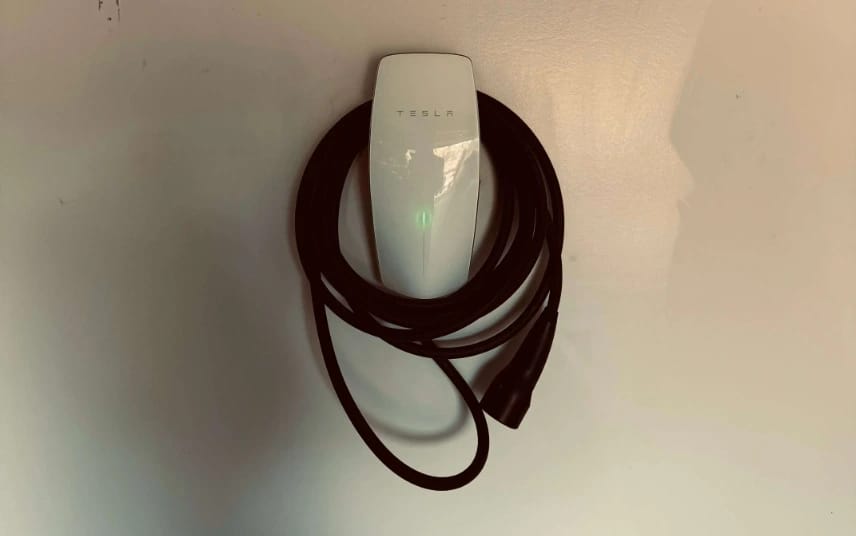
A home charger lives outdoors in the Gold Coast weather for years, so look for a solid IP-rated (weatherproof) enclosure, a tethered or untethered cable to suit your parking, and a strong manufacturer warranty. Established brands such as Tesla, Fronius, and other reputable manufacturers commonly used in Australia tend to offer better support and firmware updates over the life of the unit. A cheap charger that fails or loses support is a false economy.
Tethered vs untethered
A tethered charger has a fixed cable that is always ready to plug in, convenient for daily use. An untethered (socketed) unit lets you use your own cable and can suit households with different vehicles or a tidier look when not in use. Either works well; it comes down to preference and where you park.
Why safe installation matters most
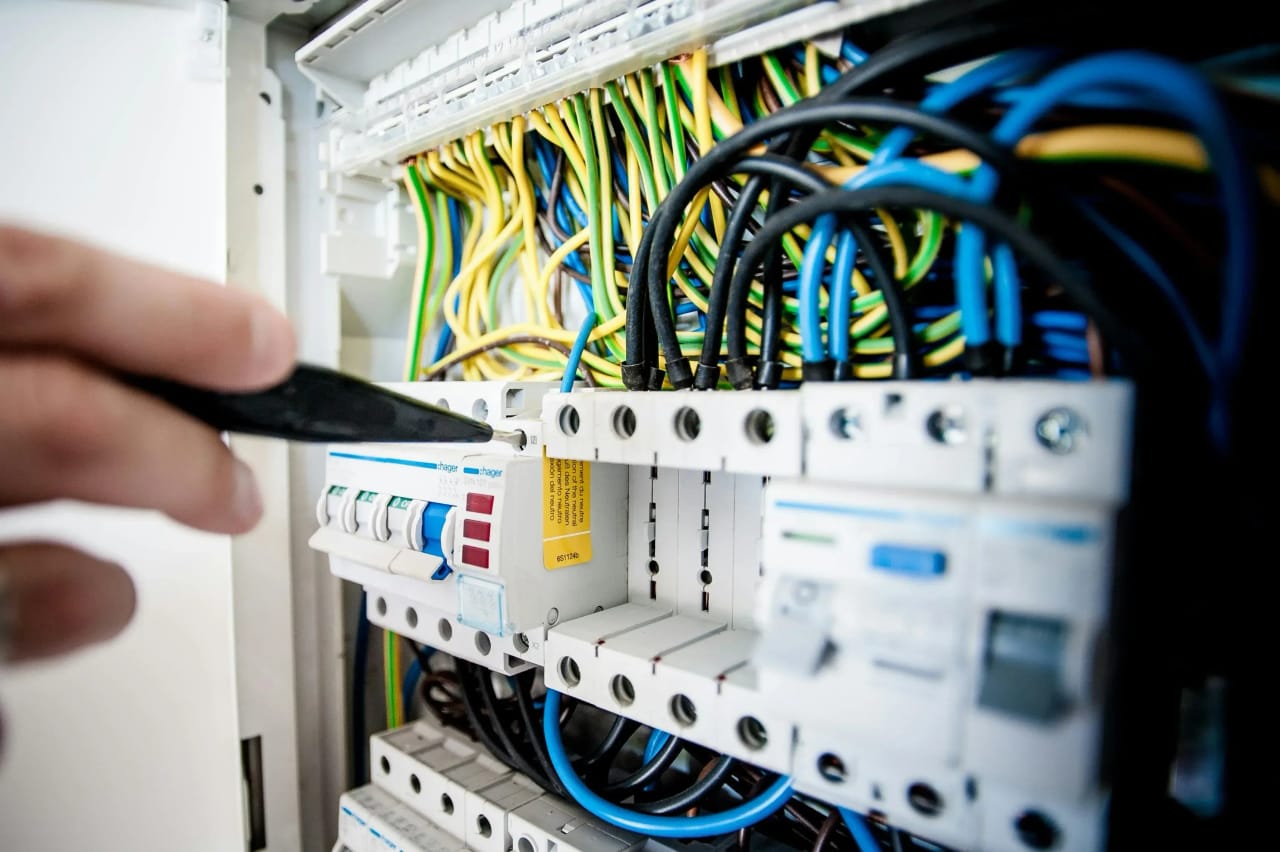
Even the best smart EV charger is only as good as its installation. An EV charger is a heavy, continuous load that must run on a dedicated circuit installed by a licensed electrician, and your switchboard may need attention to support it safely. That is why quotes vary, as our guide to EV charger installation cost factors explains, and it is the work covered by our EV charging service. The right choice balances your car, your supply, and your budget, and a licensed installer will confirm all three before recommending a unit. Ryder Electrical Services provides this advice and installs your charger as part of a free, no-obligation quote.
Get in Touch
Choosing a home EV charger? Ryder Electrical Services helps drivers across the Gold Coast up to Brisbane's north side pick the right charger for their car and home, then installs it safely. Call us on (07) 5241 1122 or get in touch for a free quote.
Frequently Asked Questions
What is the best home EV charger in Australia?
There is no single best charger for everyone. The right one matches your car's charging capability, your home's power supply and how you like to charge. Getting the charging speed right matters more than the brand.
What is a level 2 EV charger?
Level 2 is the North American name for AC charging from a dedicated wall charger, as opposed to Level 1, the portable lead in a normal power point. In Australia the same thing is simply called a home wall charger: typically 7kW on single-phase supply, or up to 22kW on three-phase. Any Level 2 charger sold here still needs a dedicated circuit installed by a licensed electrician.
Should I get a tethered or untethered EV charger?
A tethered charger has a fixed cable that is always ready to plug in, while an untethered unit lets you use your own cable and can suit households with different vehicles. Both work well; it comes down to preference and where you park.
Can an EV charger use my solar power?
Some smart chargers can prioritise your excess solar, topping up the car with power you would otherwise export cheaply. Scheduled charging can also target off-peak hours for the lowest running cost.