In this article
Air conditioning quotes vary widely, and the reason is usually the installation rather than the equipment. The same wall-mounted unit can be a straightforward morning's work in one house and a substantially larger job next door, depending on where it has to go and what the wiring can support.
This guide explains what actually drives that difference for Gold Coast homes. We do not publish fixed prices, because the installation specifics move the number far more than the model on the box.
1. Split system or ducted
This is the largest single decision.
Split systems condition one room or open area: an indoor head, an outdoor condenser, and a refrigerant pipe run between them. Straightforward, and the cheapest way to cool the rooms you actually use.
Multi-head split systems run several indoor heads from one outdoor unit. More expensive than a single split but cheaper than several separate systems, and often the only option where there is limited space for condensers, which is why they are common in Gold Coast apartments.
Ducted systems condition the whole house from a fan coil in the roof space, with insulated ductwork to each room, ceiling grilles, motorised zone dampers and a central controller. Substantially more expensive, and a genuinely different scope of work.
Ducted vs split system air conditioning compares them properly.
2. Capacity, and the cost of getting it wrong
Capacity is quoted in kilowatts, and it must be calculated for the space rather than guessed.
A proper sizing calculation accounts for floor area, ceiling height, window area and orientation, insulation, and how many people typically use the room. In our climate the humidity load matters as much as the temperature.
Getting it wrong is expensive in both directions:
- Undersized: runs continuously at full output, never quite reaches temperature, and wears out early.
- Oversized: cools the air fast, satisfies the thermostat and shuts down before removing humidity. The room ends up cold and clammy, the compressor short-cycles, and it uses more energy than a correctly sized unit. It also costs more to buy.
The Australian Government's energy information service covers household heating and cooling if you want an independent view on sizing and running costs.
Choosing the best air conditioner for a Gold Coast home covers sizing for our conditions.
3. Pipe run distance and route
For split systems this is the main installation variable.
- Head directly opposite the condenser: the cheapest case, a short run through one wall.
- Head on the far side of the house: more pipe, more refrigerant, more insulation, more labour.
- Runs through finished surfaces: rendered walls, brick, tiled areas all add labour and making good.
- Second-storey installations: vertical runs plus access equipment.
- Long runs may eventually require a larger capacity to compensate for losses.
Where the outdoor unit can go is often constrained by the neighbours as much as by the house: condensers have noise implications, and boundary clearances have to be respected.
4. Ducted systems: roof space and layout
For ducted, the roof space determines feasibility and cost before anything else.
- Available height and truss layout: some roof spaces simply cannot accommodate a fan coil and ductwork, particularly lowset homes with shallow pitches.
- Access: a manhole a unit cannot pass through means additional work.
- Number of outlets and zones: each adds ductwork, a grille, and for zoning, a motorised damper.
- Duct runs: a long, complex house needs more duct and more careful balancing.
- Return air positioning: needs adequate size and sensible placement.
Zoning adds cost but reduces running cost, because you stop conditioning empty bedrooms during the day. On a whole-house system it usually pays for itself.
5. Electrical supply
This is the factor most often missing from an online estimate.
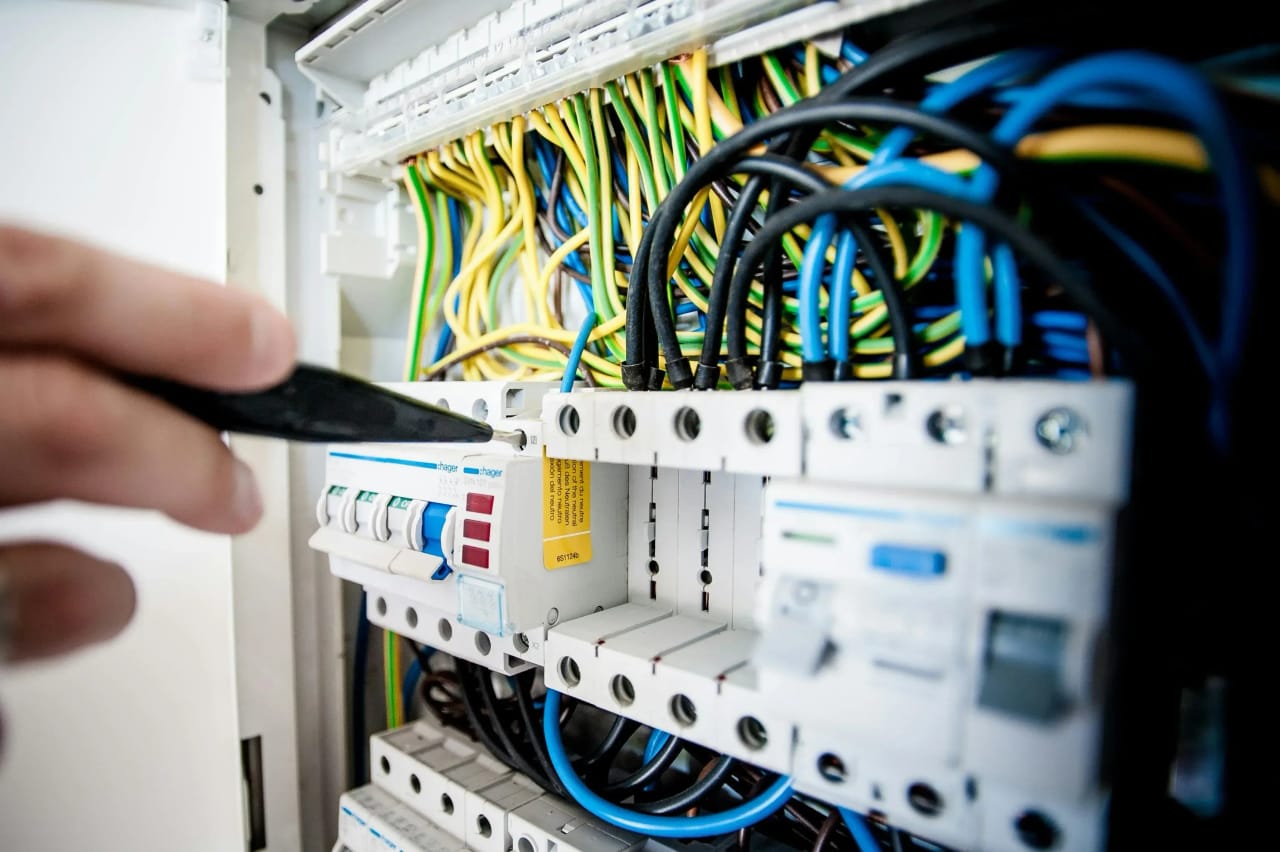
Ducted systems and larger splits generally need a dedicated circuit, which requires a spare way and adequate capacity at your switchboard. Older boards frequently have neither, in which case switchboard work has to happen first.
If your board still has ceramic fuses or lacks a safety switch, 7 signs your switchboard needs upgrading is worth reading before you book an installation.
Because we are electricians as well as licensed for refrigeration work, we can handle both parts of the job rather than coordinating two trades, which is generally faster and avoids the gap where each blames the other.
6. Coastal exposure
Within a few streets of the beach, condensers corrode considerably faster. Salt attacks the coil fins and the casing, and an untreated unit in an exposed position can lose years of life.
Mitigation means positioning the condenser out of direct salt spray where the layout allows, and specifying coil treatment where it does not. It is a modest addition at installation and considerably cheaper than early replacement.
7. Brand, efficiency and inverter technology
- Inverter compressors cost more than fixed-speed units and use markedly less energy by varying output instead of cycling on and off. Effectively standard now, and worth it.
- Efficiency ratings: higher-rated units cost more upfront and less to run. The payback depends on how much you actually run it, which in this climate is usually a lot. The Australian and New Zealand energy rating label programme is where models are compared on a common basis.
- Brand: affects price, warranty length, and how easily parts and service are obtained locally in five years.
8. Compliance
Refrigeration work must be carried out by an ARC-licensed technician, and the electrical work by a licensed electrician working to the wiring rules published by Standards Australia. A compliant installation includes proper evacuation and charging of the refrigerant circuit, condensate drainage that will not cause water damage, secure mounting, and certification of the electrical work.
Cheap quotes sometimes cut corners on evacuation or drainage. Neither is visible on the day and both cause expensive problems later.
What to ask for in a quote
- Make, model and capacity in kW, with the sizing calculation behind it
- Pipe run length and route
- Whether electrical work and any switchboard upgrade is included
- For ducted: number of outlets, number of zones, controller type
- Condenser position, and clearance from boundaries
- Coil treatment if the property is coastal
- Warranty terms and who services it
- Making good of walls and surfaces
Getting an accurate figure for your home
Air conditioning is one of the jobs where a site visit genuinely changes the answer. Ryder Electrical Services assesses the space, the pipe route, the roof space where relevant, and your switchboard before quoting, and sizes the unit to the room rather than to whatever is on special.
Get in Touch
Planning air conditioning for your home? Ryder Electrical Services installs split and ducted systems across the Gold Coast, handling the electrical and refrigeration work in one job. Call us on (07) 5241 1122 or get in touch for a free, no-obligation quote.
Frequently Asked Questions
Why is ducted air conditioning so much more expensive than split systems?
Because it is a substantially larger installation. A ducted system needs an indoor fan coil in the roof space, insulated ductwork run to every outlet, ceiling penetrations and grilles, a zoning system with motorised dampers and a controller, and usually a dedicated circuit the existing switchboard cannot always provide. A split system is one indoor head, one outdoor unit and a short pipe run between them. The comparison is closer to one appliance versus a whole-house system.
Does an oversized air conditioner cost more to run?
Yes, and it also performs worse, which is counter-intuitive. An oversized unit cools the air quickly, satisfies the thermostat and shuts off before it has removed the humidity. In the Gold Coast climate that leaves a room that is cold and clammy, and the short-cycling wears the compressor faster while using more energy than a correctly sized unit running steadily. Bigger is genuinely not better.
Why does the distance between the indoor and outdoor unit matter?
The refrigerant pipe run between them is a real cost, and it is not just the pipe. Longer runs need more refrigerant, more insulation, more labour, and eventually a larger capacity to overcome the losses. Where the pipe has to travel through finished walls, around a corner of the house or up to a second storey, both the labour and the making good increase. A head mounted on the wall directly opposite the outdoor unit is the cheapest possible case.
Do I need electrical work done before installing air conditioning?
Often, yes. Ducted systems and larger split systems generally require a dedicated circuit, and that needs a spare way and adequate capacity at the switchboard. Older boards frequently have neither. This is one of the more common reasons an installation quote comes in higher than an online estimate, which typically assumes the electrical supply is already in place.
Is it cheaper to install several split systems or one ducted system?
For one or two rooms, split systems are clearly cheaper. Once you are conditioning most of a house the comparison narrows, because multiple outdoor units, multiple pipe runs and multiple circuits add up while ducted spreads its fixed cost across the whole home. Ducted also tends to add more to property value. The right answer depends on how many rooms you actually want conditioned and whether you have the roof space.