In this article
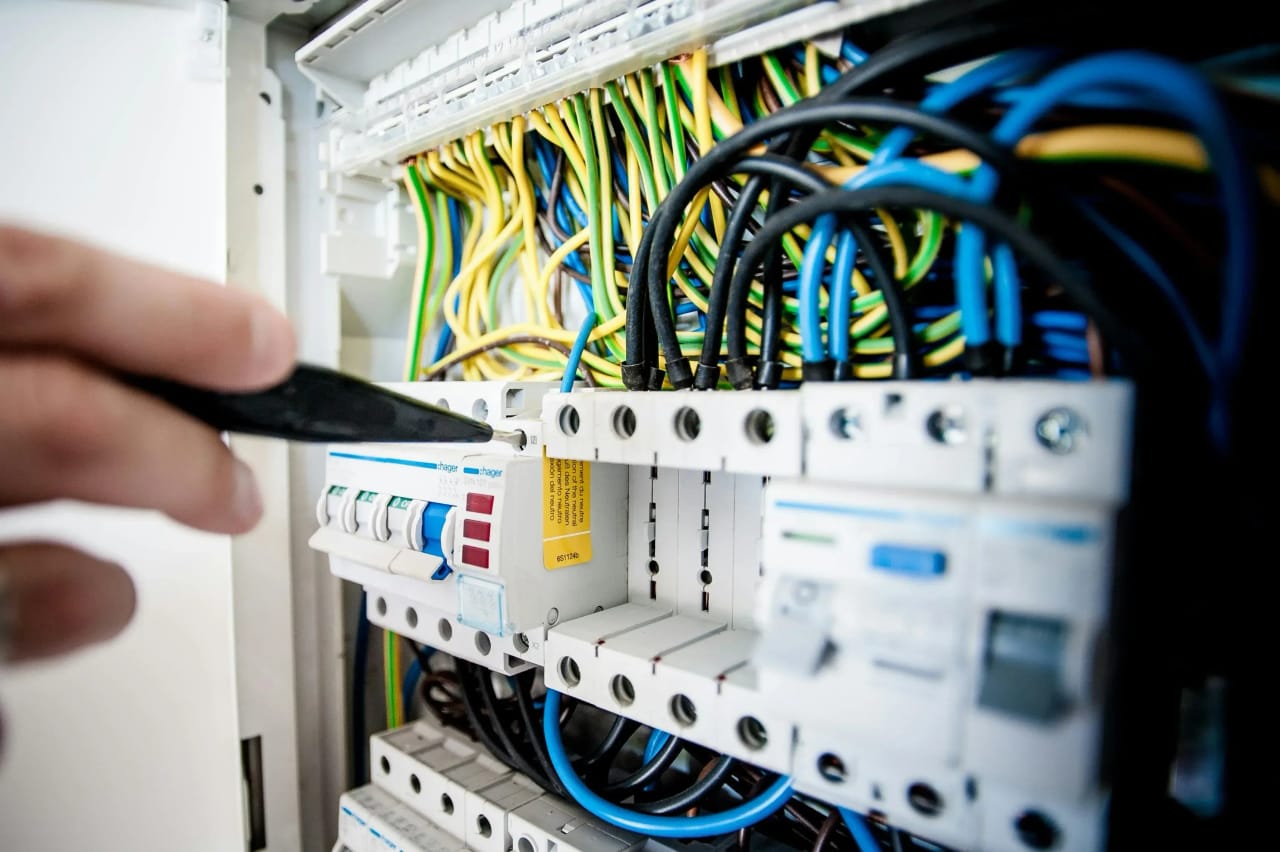
A switchboard upgrade is one of the most worthwhile pieces of electrical work an older home can have done, and one of the hardest to price without looking at it. Two houses on the same street, built the same year, can present very different jobs once the cover comes off.
This guide explains what drives that variation, and covers what an emergency callout involves, since a failing switchboard is one of the more common reasons people need one.
If you are not sure whether yours needs replacing at all, start with 7 signs your switchboard needs upgrading and old fuse box vs modern switchboard. For the steps of the job itself, see what a switchboard upgrade involves.
1. Number of circuits
The most straightforward variable. Each circuit needs its own protective device, its own termination and its own testing, so a house with twenty circuits is more work than one with eight.
Circuit count tends to track the size and age of the home, and how much has been added over the years: air conditioning, a pool, a shed, a renovated kitchen, a home office.
2. Enclosure: reuse or replace
Sometimes the existing enclosure is sound and large enough to take a modern set of devices, in which case the internals are replaced and the box stays.
More often, especially on older installations, the enclosure is too small for the number of devices now required, or it is weathered past the point of reuse. A new enclosure means more materials and more labour, and if the new box is a different size, making good the surrounding wall.
3. Asbestos backing board
This is one of the two largest swing factors, and it is very common in homes built before the mid-1980s.
Many switchboards of that era are mounted on an asbestos-containing backing panel. It cannot be drilled, cut or broken up during removal, and it must be handled under controlled conditions with correct containment and licensed disposal.
It adds cost and time to the job. It is also not something that can be worked around informally once identified. A licensed electrician will not disturb it unsafely, and you would not want them to.
Whether asbestos is present usually cannot be confirmed until the board is opened, which is why a responsible quote will flag it as a possibility on an older home rather than pretending the risk does not exist.
4. RCBOs and the level of protection
The second major variable is how the safety protection is arranged.
- One shared safety switch covering multiple circuits meets the minimum requirement in many older installations, which is set by the wiring rules published by Standards Australia. Its weakness is that a single fault anywhere behind it takes out everything behind it, the reason half the house goes dark when one appliance fails.
- Individual RCBOs per circuit combine overload and earth-leakage protection on each circuit separately. A faulty appliance in the laundry trips the laundry, and nothing else.
Individual RCBOs cost more per circuit. On a board being replaced anyway, the incremental cost is usually modest relative to the improvement, and it is what we recommend in almost every case.
5. Meter and main switch arrangement
If the upgrade requires altering the metering position, relocating the board, or changing the main switch arrangement, the job grows. Some of this work involves your network distributor and their scheduling, which affects both cost and timing.
Relocating a board from an internal hallway to an external meter box (sometimes desirable, occasionally required) is a considerably larger job than replacing in place, because every circuit has to reach the new position.
6. Condition of the existing wiring
The board is the visible part; what arrives at it matters too.
When the cover comes off we see the condition of the conductors terminating there. If the insulation is brittle, heat-damaged, or the installation is old enough to be rubber-insulated, those circuits may not be safe to reconnect to a new board without remedial work.
This is not an upsell, it is a genuine constraint: reconnecting degraded cable to a new board puts a new board in front of an old problem. A good electrician will show you what they have found rather than simply adding a line to the invoice.
7. Access and location
A board in an accessible external meter box is the easiest case. A board in a cramped hallway cupboard, behind a door that will not open fully, or at the back of a wardrobe adds labour. Two-storey homes and difficult cable routes add more.
What an emergency callout involves
A failing switchboard is one of the more common emergency callouts, so it is worth explaining how they work.
A callout covers attendance and diagnosis. Getting to you, making the situation safe, and identifying the fault. Repair is quoted separately, because until the fault is diagnosed nobody can honestly say what the repair involves.
Rates differ outside business hours. After-hours, weekend and public holiday attendance carries a different rate, reflecting immediate response outside normal working time.
What justifies an emergency call:
- Burning smells, scorch marks or smoke from the board, outlets or fittings
- Sparking, arcing or buzzing from a switchboard, outlet or fitting
- Exposed or damaged conductors, particularly where they can be touched
- Water contacting electrical equipment, including after a storm
- Total loss of power that is not a network outage
- A safety switch that trips immediately every time it is reset
What can wait for a normal booking: a single dead power point, a light fitting that has failed, a planned upgrade, or a quote for new work.
If you have an active hazard, turn off the affected circuit at the board if it is safe to reach, keep clear, and call (07) 5241 1122 rather than booking online so it is triaged as urgent. Our 24/7 emergency electrician page covers what to do while you wait.
What to ask for in a quote
- Number of circuits and how many will get individual RCBOs
- Whether a new enclosure is included
- How asbestos backing will be handled if found, and whether it is included or a variation
- Whether any meter or main switch alteration is needed
- Expected duration and the outage window
- Whether a Certificate of Testing and Compliance is provided
- What happens if existing wiring is found unsuitable to reconnect
Getting an accurate figure for your home
A switchboard cannot be quoted accurately from a photograph. Ryder Electrical Services inspects the board, the metering arrangement and the condition of the circuits terminating there, then quotes the actual job, including flagging honestly where an older home carries the risk of asbestos backing.
Get in Touch
Switchboard looking its age? Ryder Electrical Services upgrades switchboards across the Gold Coast, with individual RCBO protection and full testing and certification. Call us on (07) 5241 1122 for a free quote, or for an emergency call out any time.
Frequently Asked Questions
Why do switchboard upgrade quotes vary so much?
Because no two boards present the same job. The variables are how many circuits the house has, whether the existing enclosure can be reused or needs replacing entirely, whether the backing board contains asbestos, whether the meter and main switch arrangement needs altering, and whether the wiring arriving at the board is in good enough condition to reconnect. A board with eight circuits on a sound backing is a very different job to a twenty-circuit board on an asbestos panel.
What happens if my switchboard has an asbestos backing board?
It is common in homes built before the mid-1980s and it does change the job. Asbestos backing must be removed under controlled conditions by someone competent to do so, with correct containment and licensed disposal, and it cannot simply be drilled or cut. It adds cost and time. It is also not optional to deal with once identified. Working around it unsafely is not something a licensed electrician will do.
Do I need an RCBO on every circuit or is one safety switch enough?
One shared safety switch meets the minimum in many older installations, but individual RCBOs are markedly better in practice. With a shared device, one fault anywhere takes out every circuit behind it, which is why half the house goes dark when a single appliance fails. Individual RCBOs isolate only the affected circuit, so a faulty appliance in the laundry does not take your fridge and your lights with it. The cost difference is per-circuit hardware and it is generally money well spent.
How long does a switchboard upgrade take and will I lose power?
A straightforward domestic upgrade is usually completed within a day, and yes, supply is off for a substantial part of it. We arrange the outage with you in advance, and where someone works from home or there is medical equipment involved we plan around it. Boards needing asbestos removal or meter alterations can extend to a second day.
What does an emergency electrician callout involve?
A callout covers attendance and diagnosis: getting to you, making the situation safe, and identifying the fault. Repair work is separate, because until the fault is diagnosed nobody honestly knows the scope. Emergency rates apply outside normal hours and reflect the immediate response. If you have a burning smell, sparking, exposed conductors, or water contacting electrical equipment, turn off the affected circuit at the board if it is safe to do so and call immediately rather than booking online.